Advancing Accountability and Strengthening Community Capacity

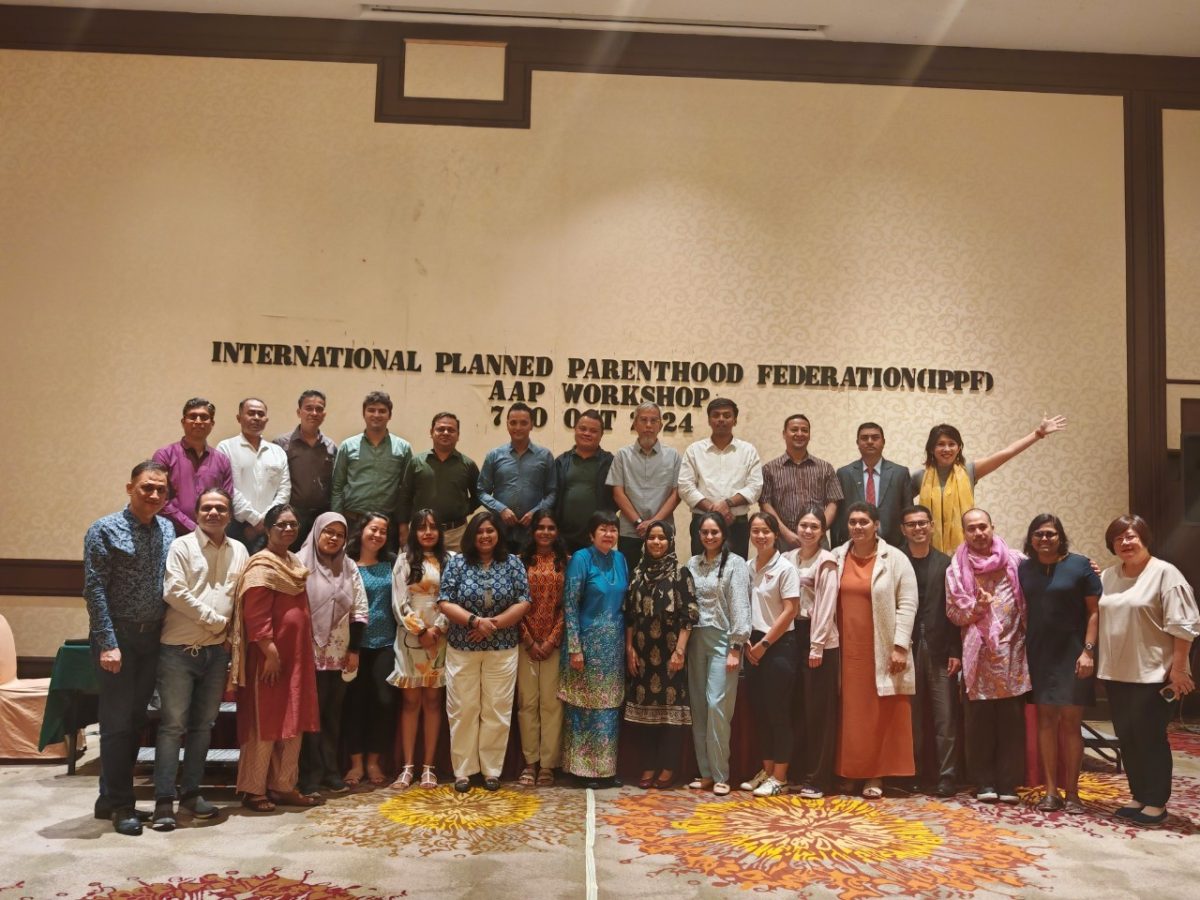
LINE_ALBUM_อบรม AAP Malaysia_241016_9

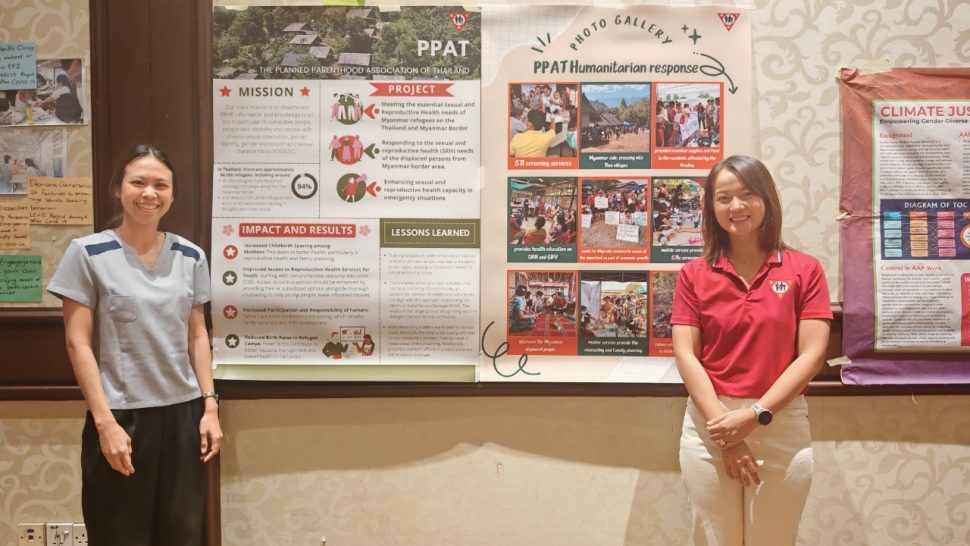
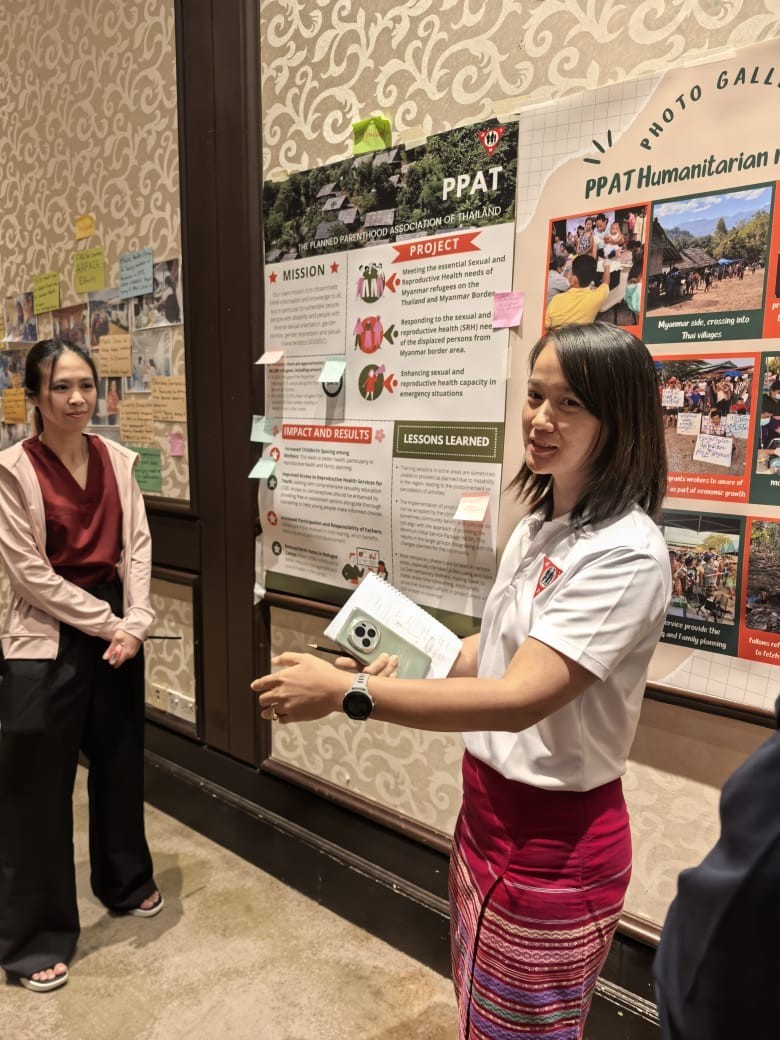
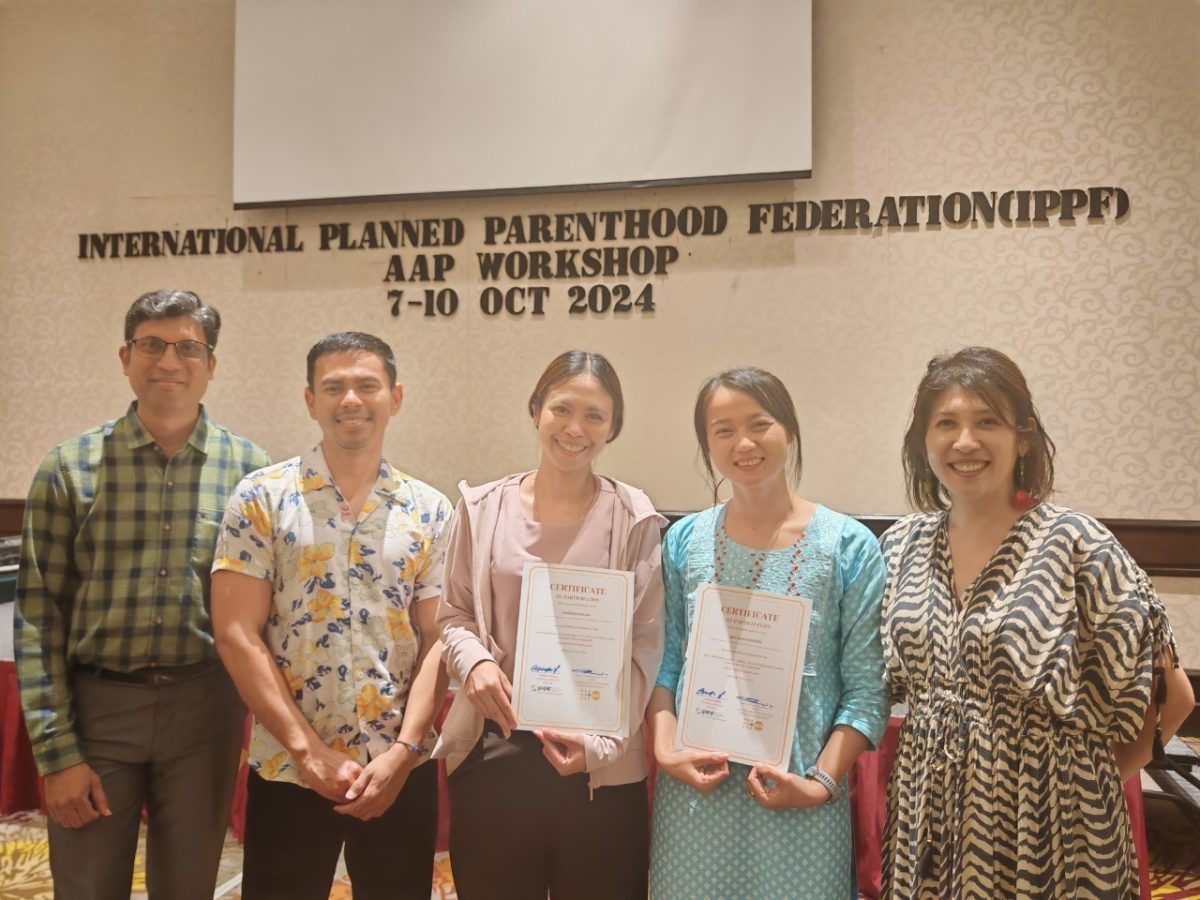
From October 7–10, the Planned Parenthood Association of Thailand (PPAT) assigned Ms. Orawan Kerdjan, Senior Officer, Planning and Evaluation Division, and Ms. Nuchnar Raruern, Project Manager for Sexual and Reproductive Health Capacity Development in Emergency Situations (SPRINT 2), to participate as representatives in the Accountability to Affected Populations (AAP) Training Workshop. The workshop was organized through collaboration between IPPF East and Southern Africa Regional Office (ESAOR), IPPF South Asia Region, and UNFPA Asia and the Pacific. The workshop focused on advancing accountability and empowering communities to take part in decision-making processes that directly affect their lives. It aimed to ensure that no one is left behind and that humanitarian decision-making genuinely considers and responds to the voices of crisis-affected populations. True accountability was emphasized as a mechanism through which affected communities’ voices can be heard. The training took place in Penang, Malaysia, and was attended by participants from 12 countries.
TAGS

News & Activity

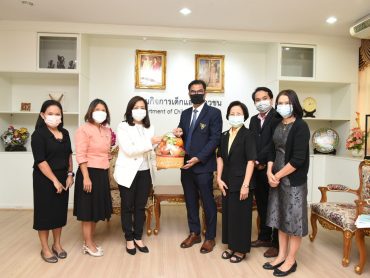
On 27 May, the Ministry of Social Development and Human Security (MSDHS) and the Planned Parenthood Association of Thailand under the patronage of Her Royal Highness the Princess Mother (PPAT) co-organized an academic seminar titled “Family Planning and the Development of Quality of Life Across All Age Groups,” to raise awareness among people of all ages about the importance of family planning, aiming toward achieving quality families and promoting quality births. Mr. Varawut Silpa-archa, Minister of Social Development and…
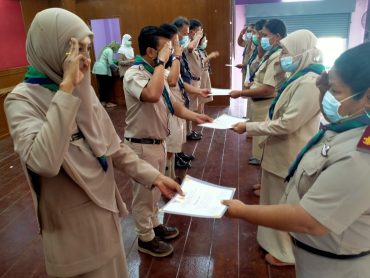
On 21 February, PPAT, led by Project Managers Khun Pattaya Buranaprapa and Khun Worachote Lamudthong, along with their team, organized a communication capacity-building activity for project advisors and youth leaders. The training aimed to develop student leaders as HIV prevention peer educators in educational institutions and to equip them with skills to communicate about HIV/AIDS and sexually transmitted infections (STIs). This activity was part of Phase III of the HIV Prevention Project for Youth in Educational Institutions and was…
Privacy Preferences

Allow All
Manage Consent Preferences
  • Always Active

Save