PPAT Conducts Field Visit to Monitor Thai-Myanmar Border Health Project

TAK (2)

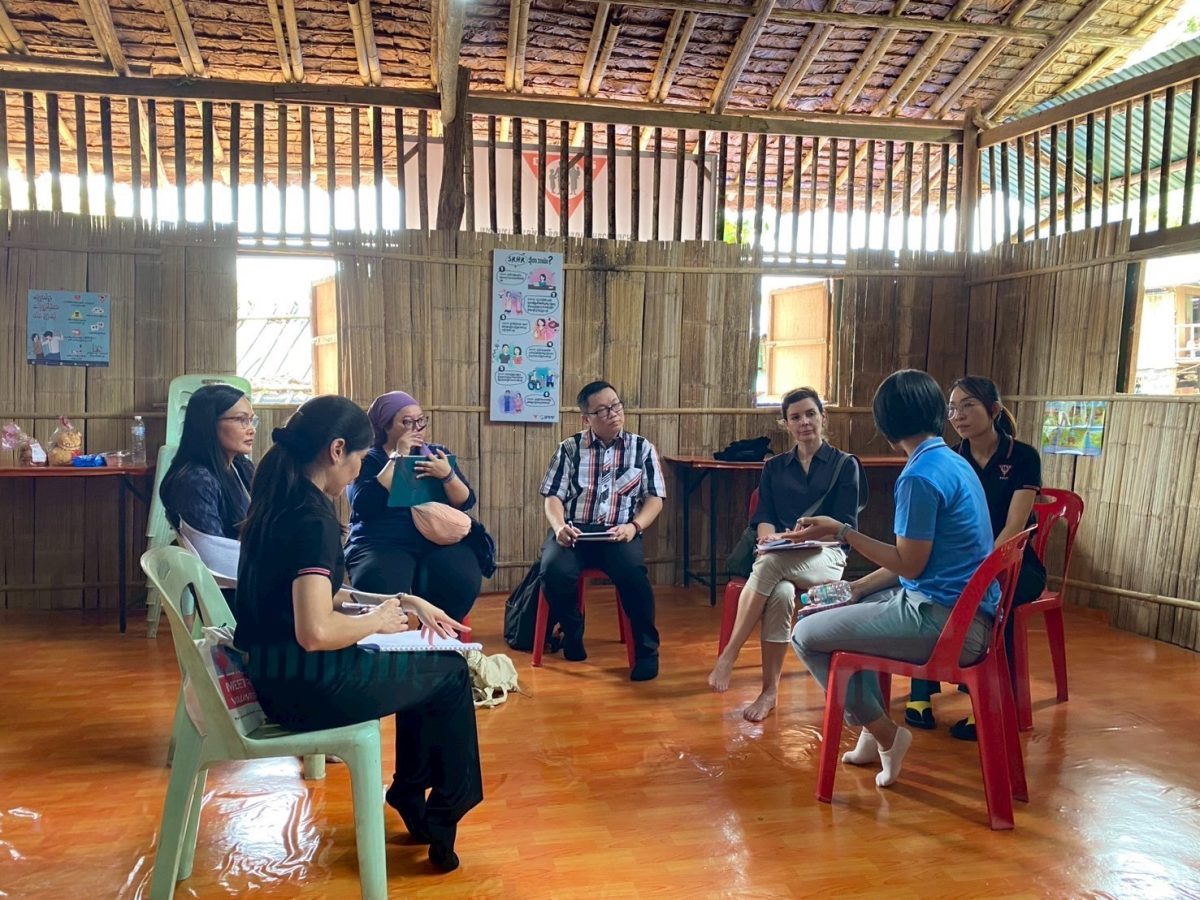
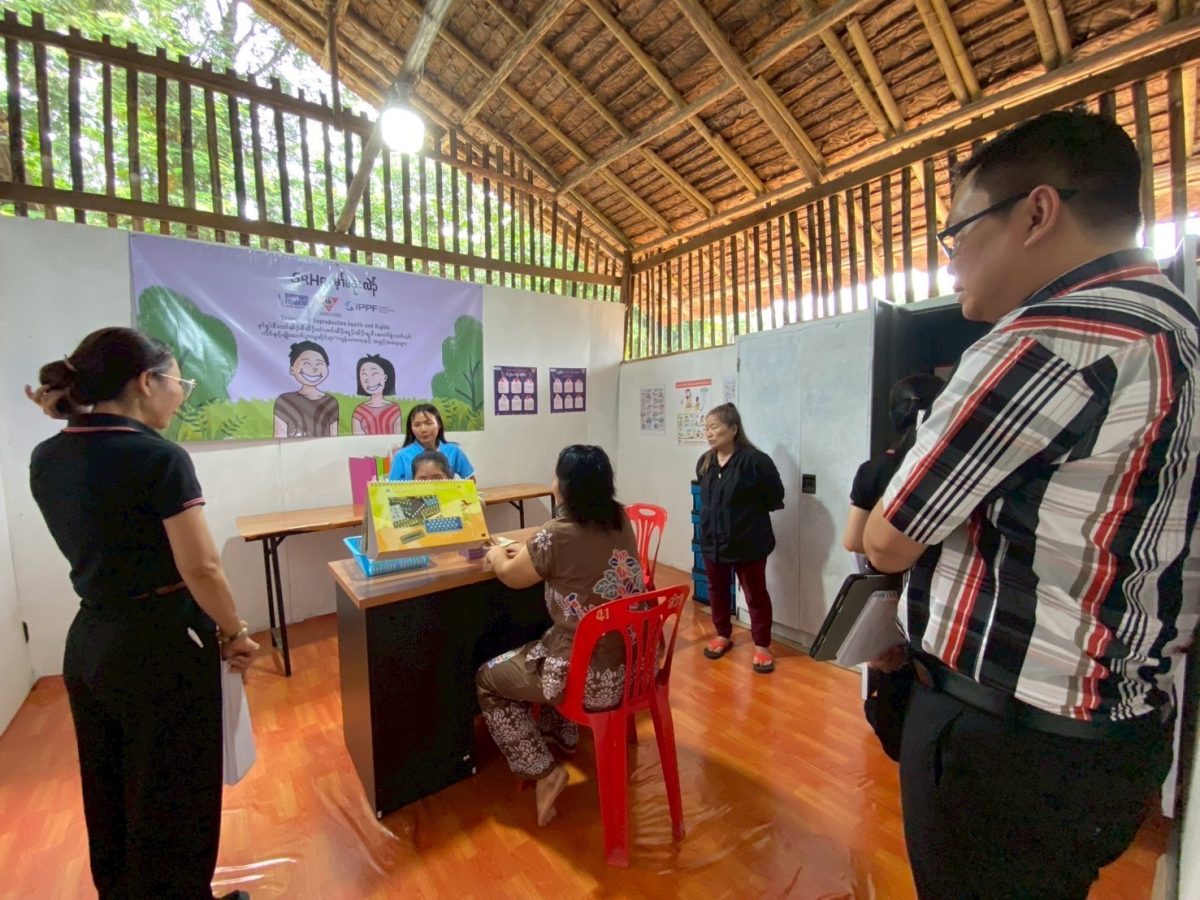
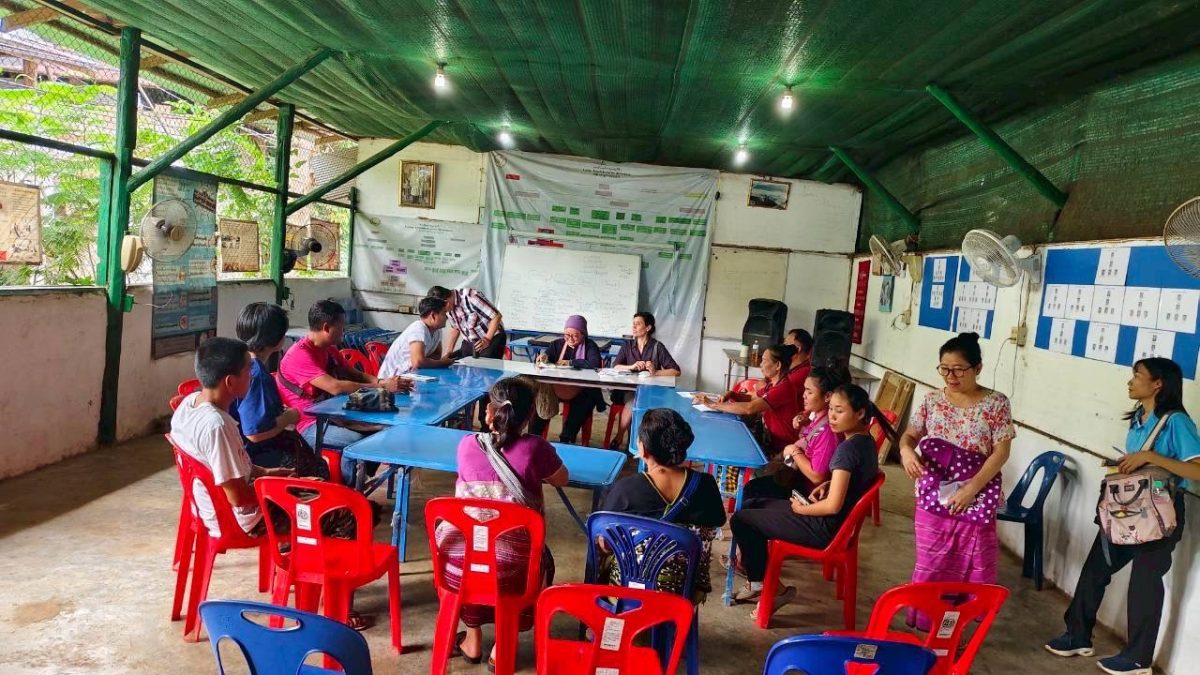
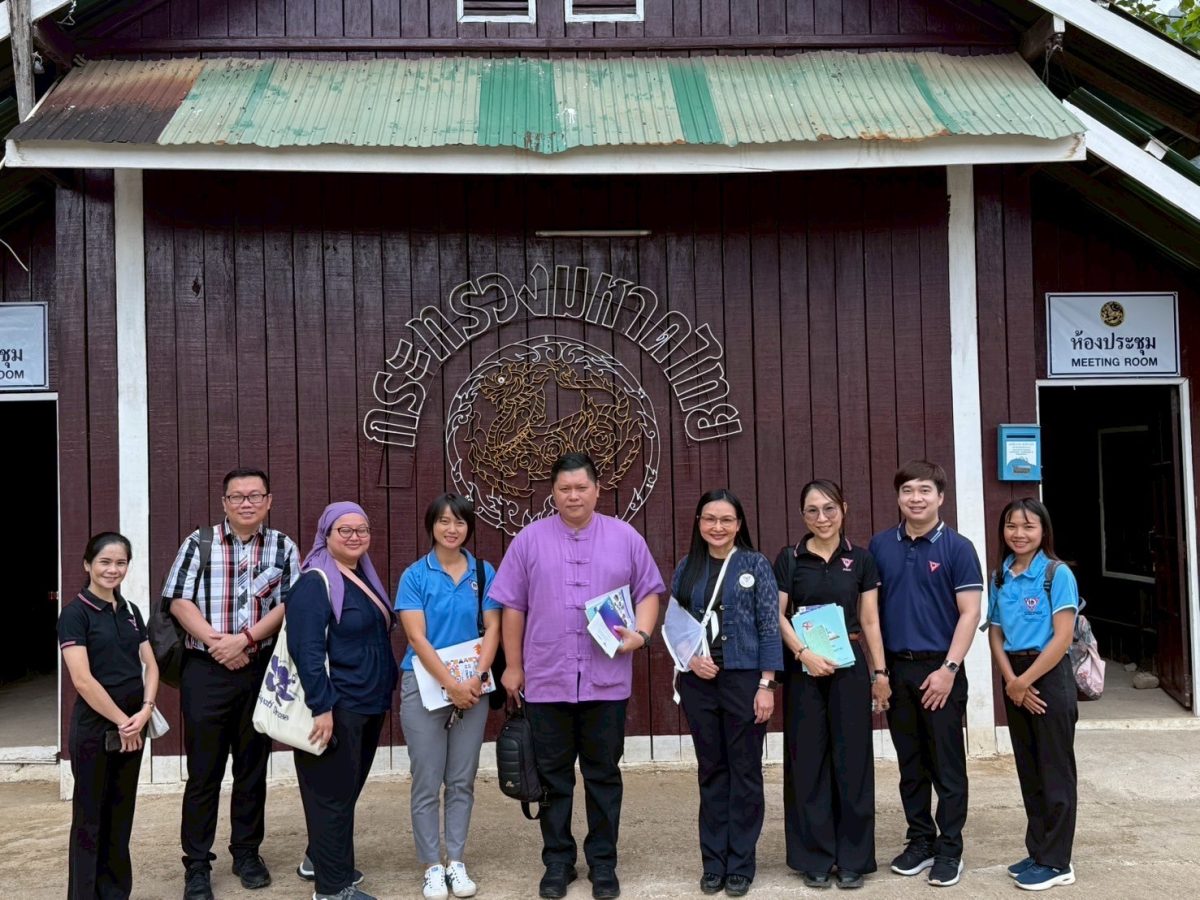
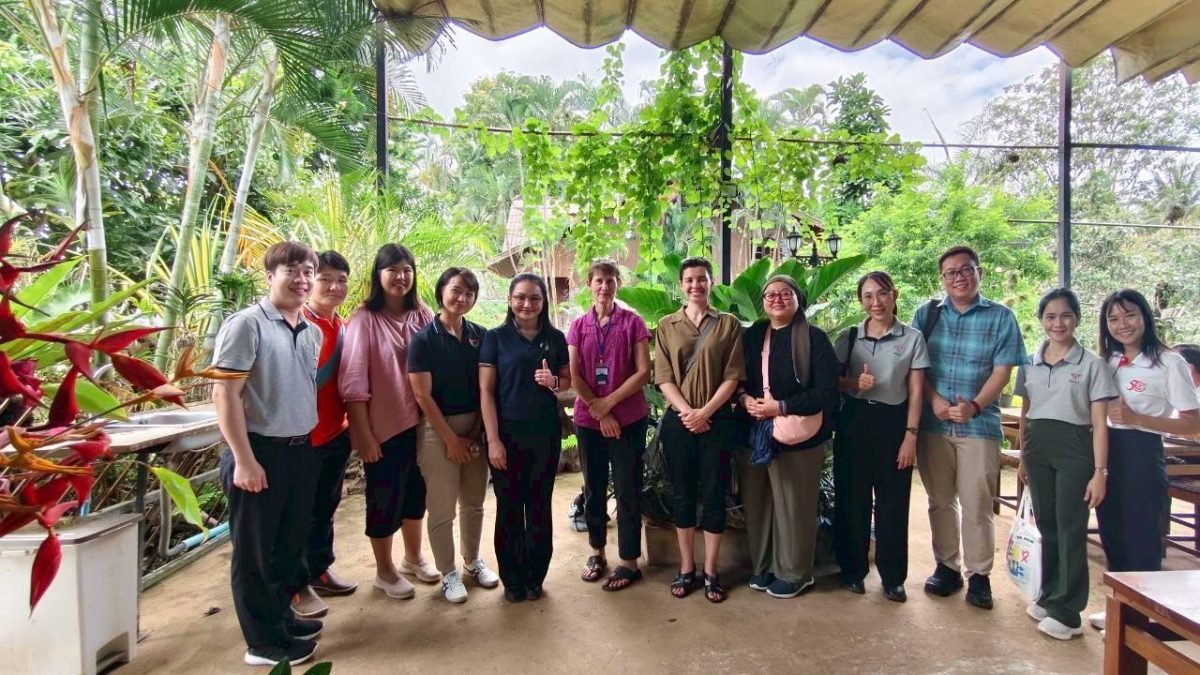
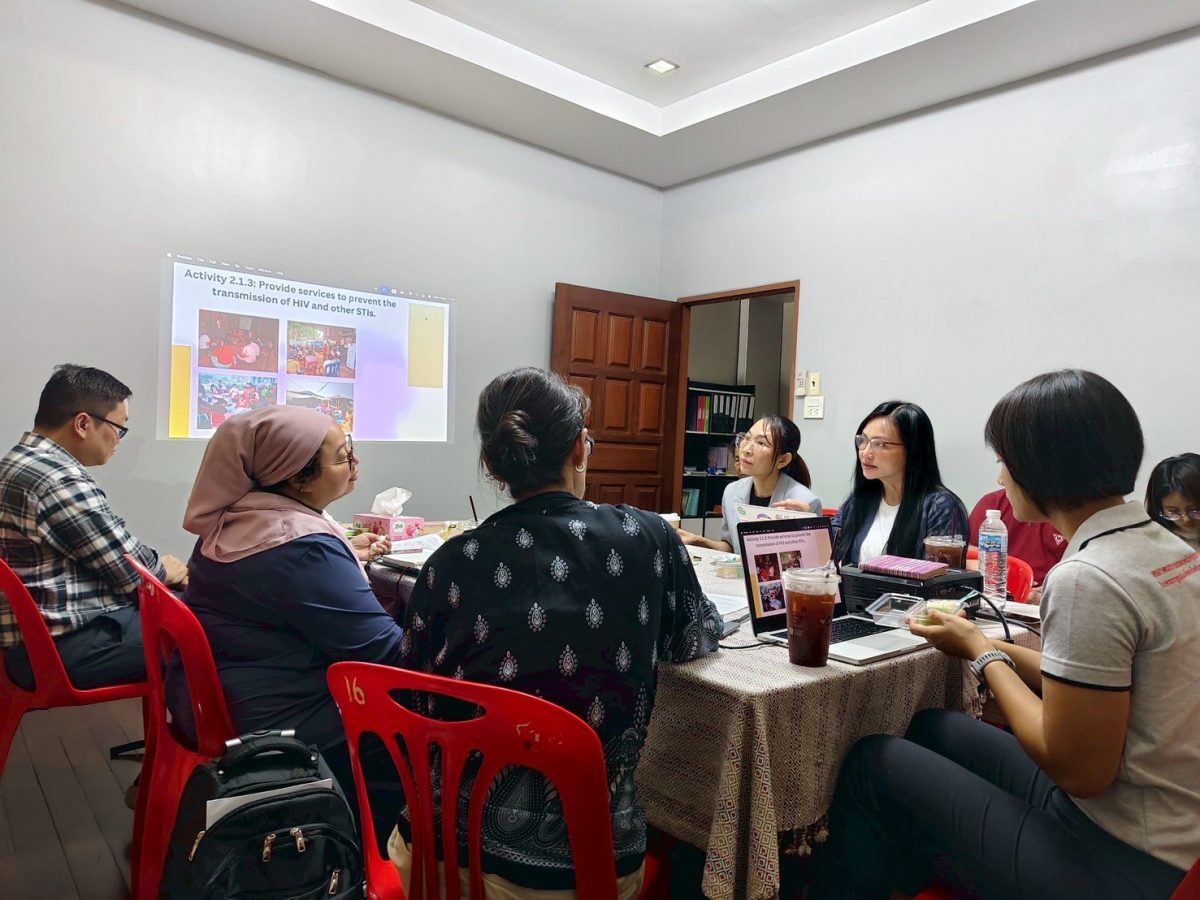
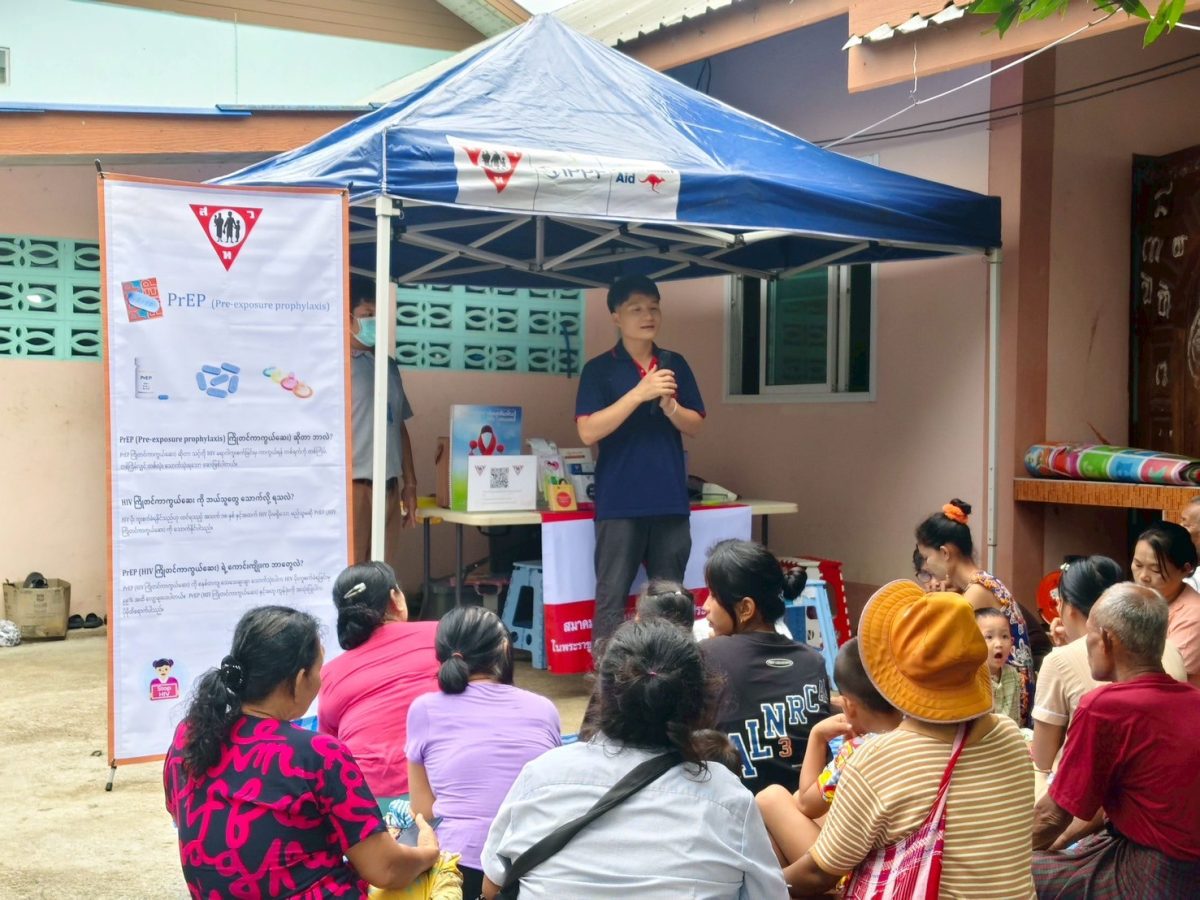
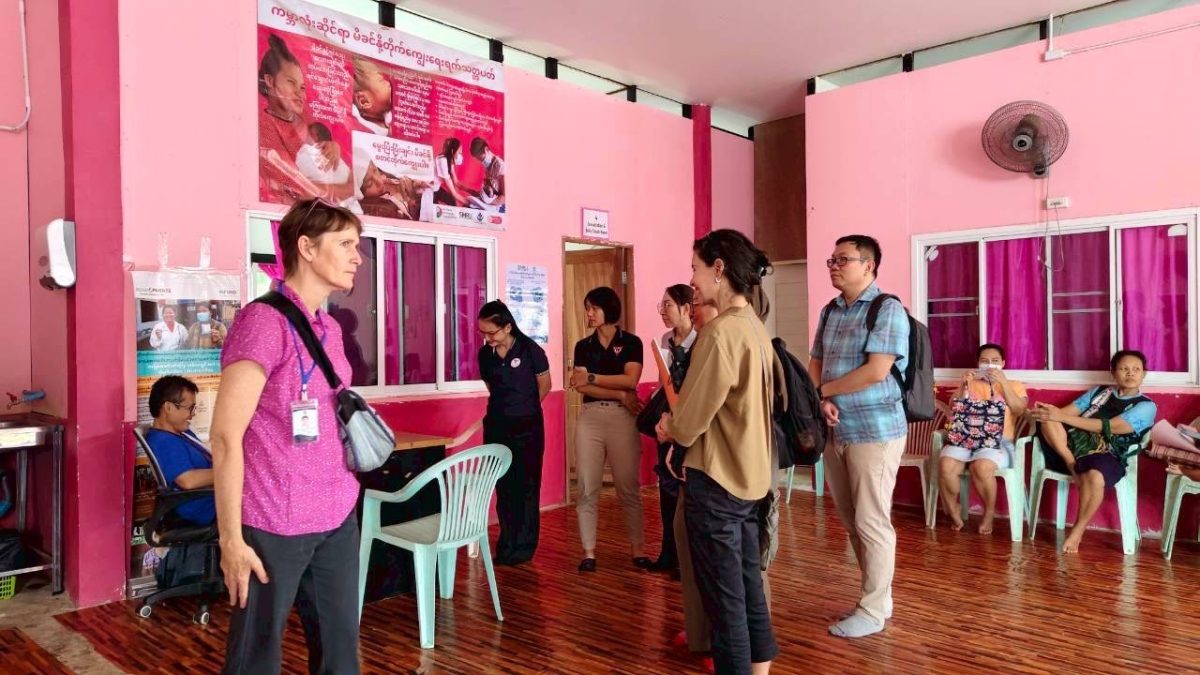
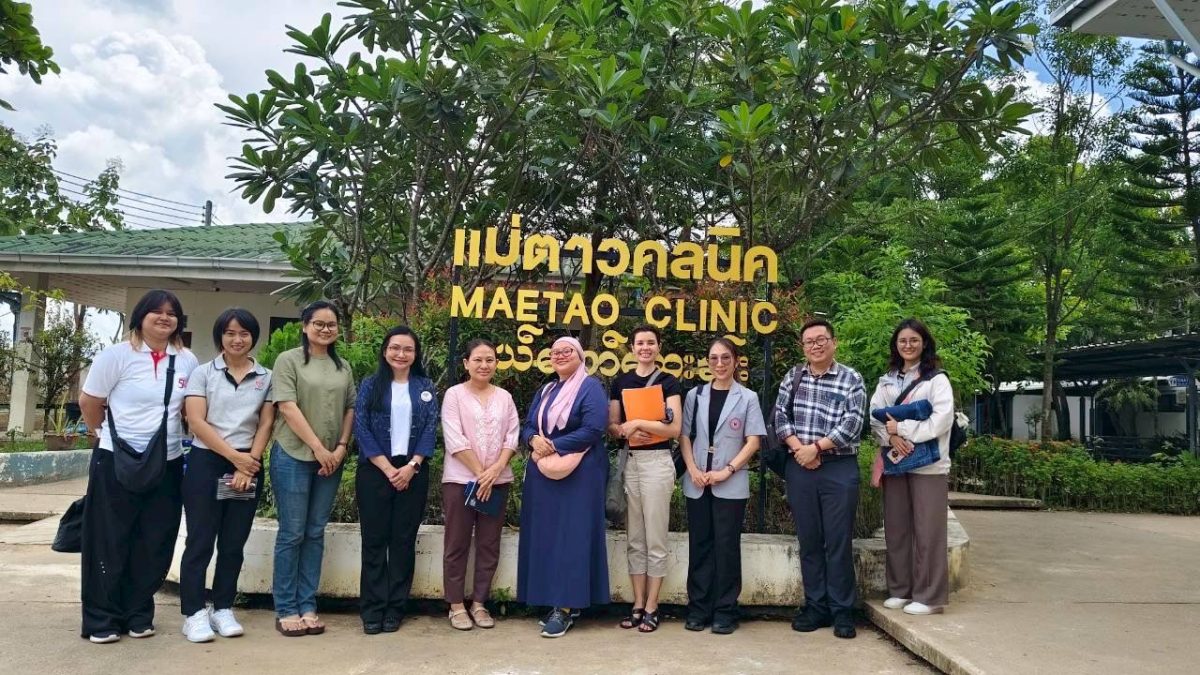
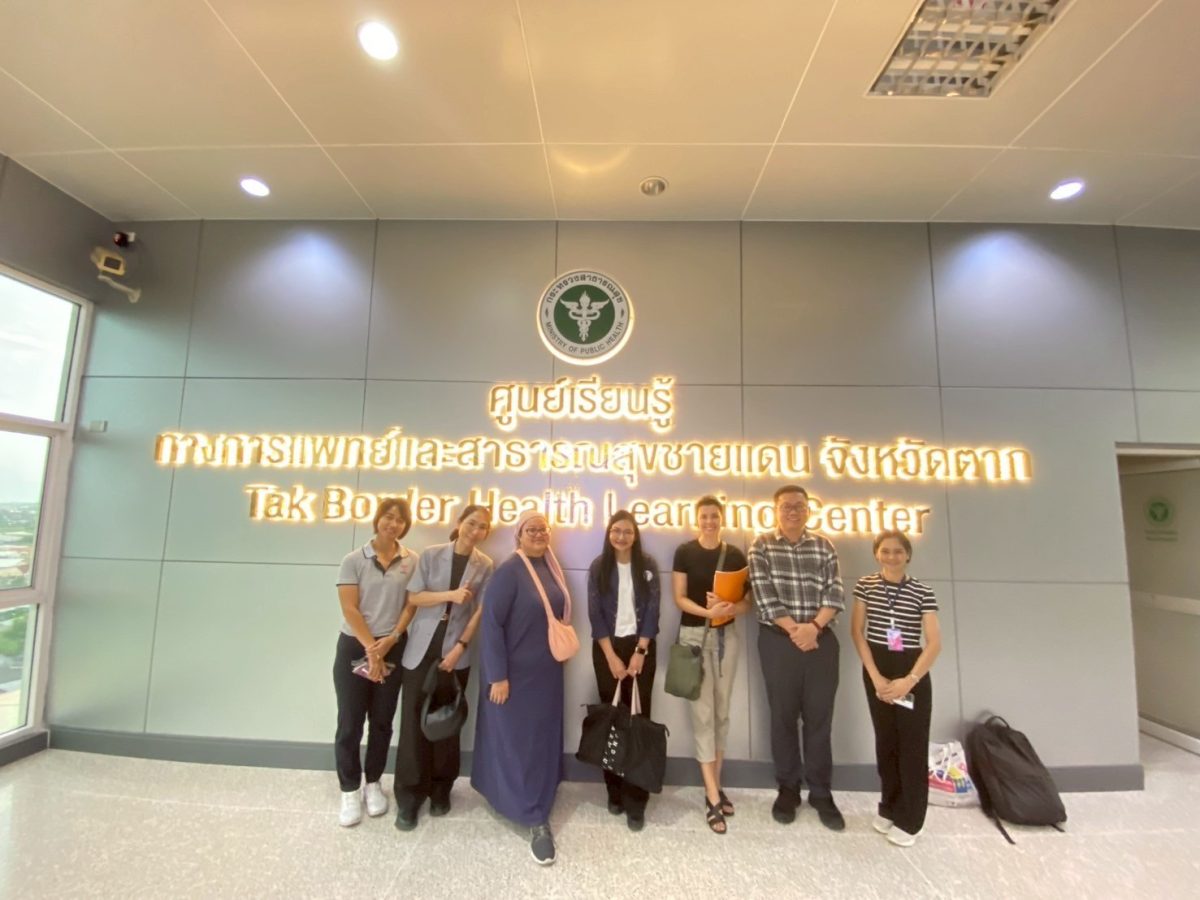
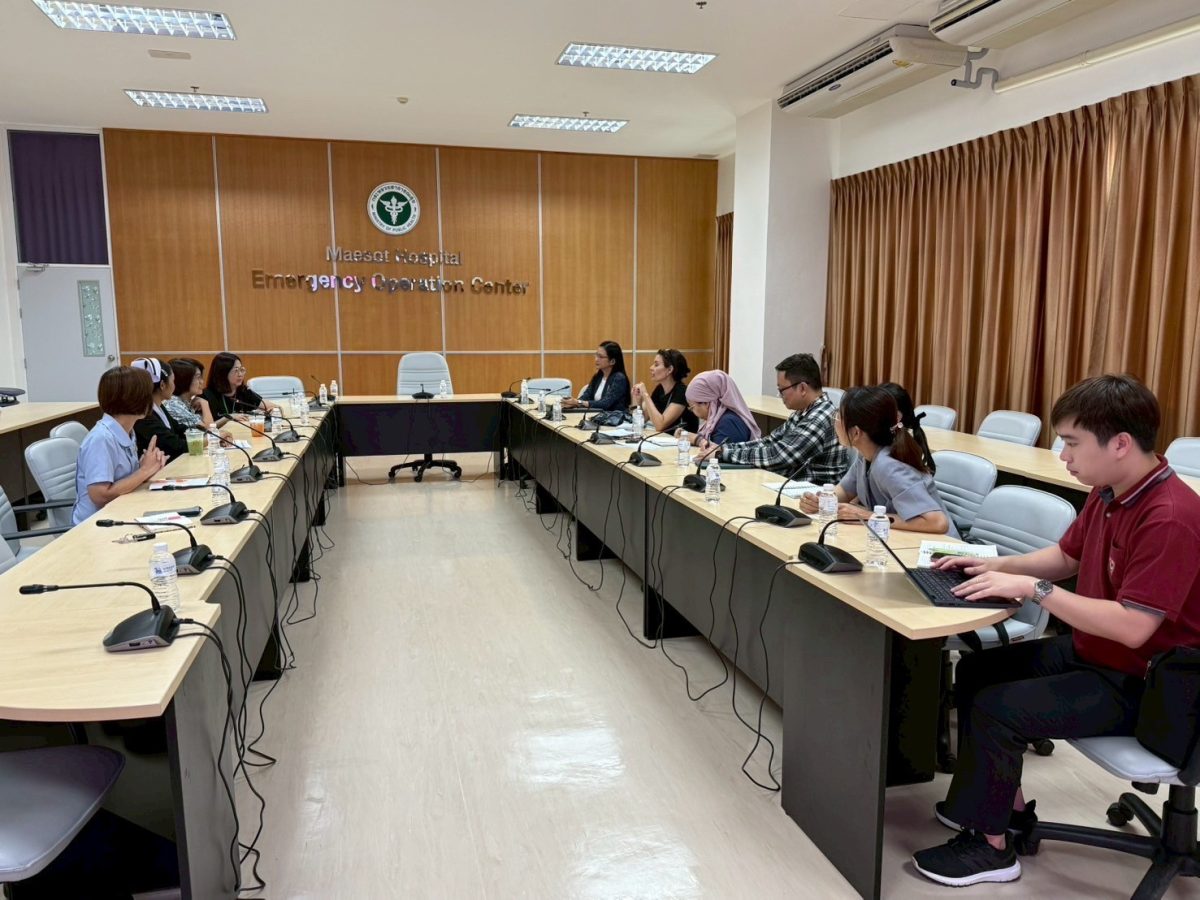
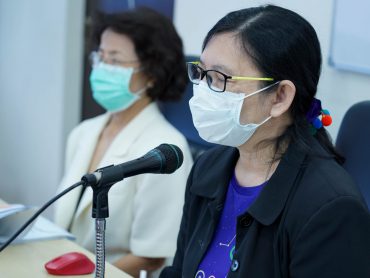
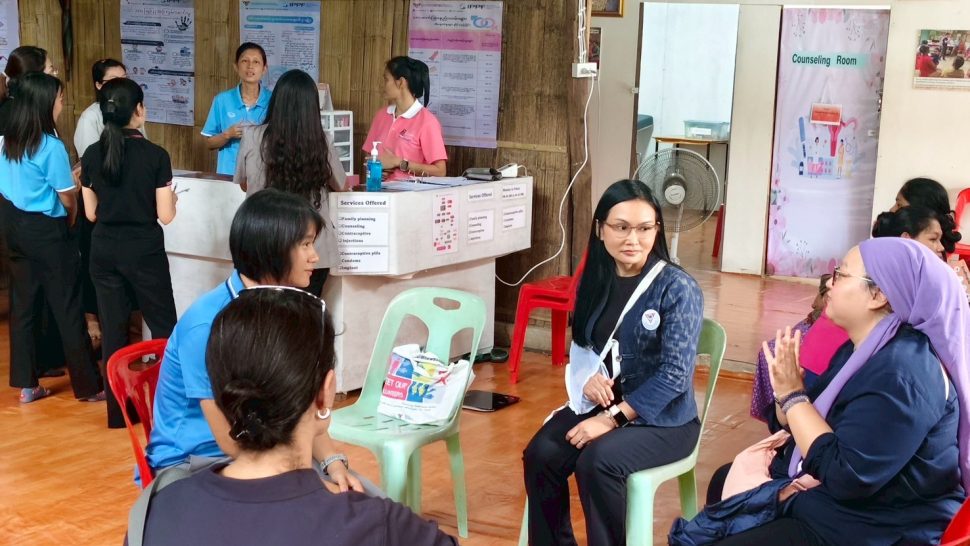
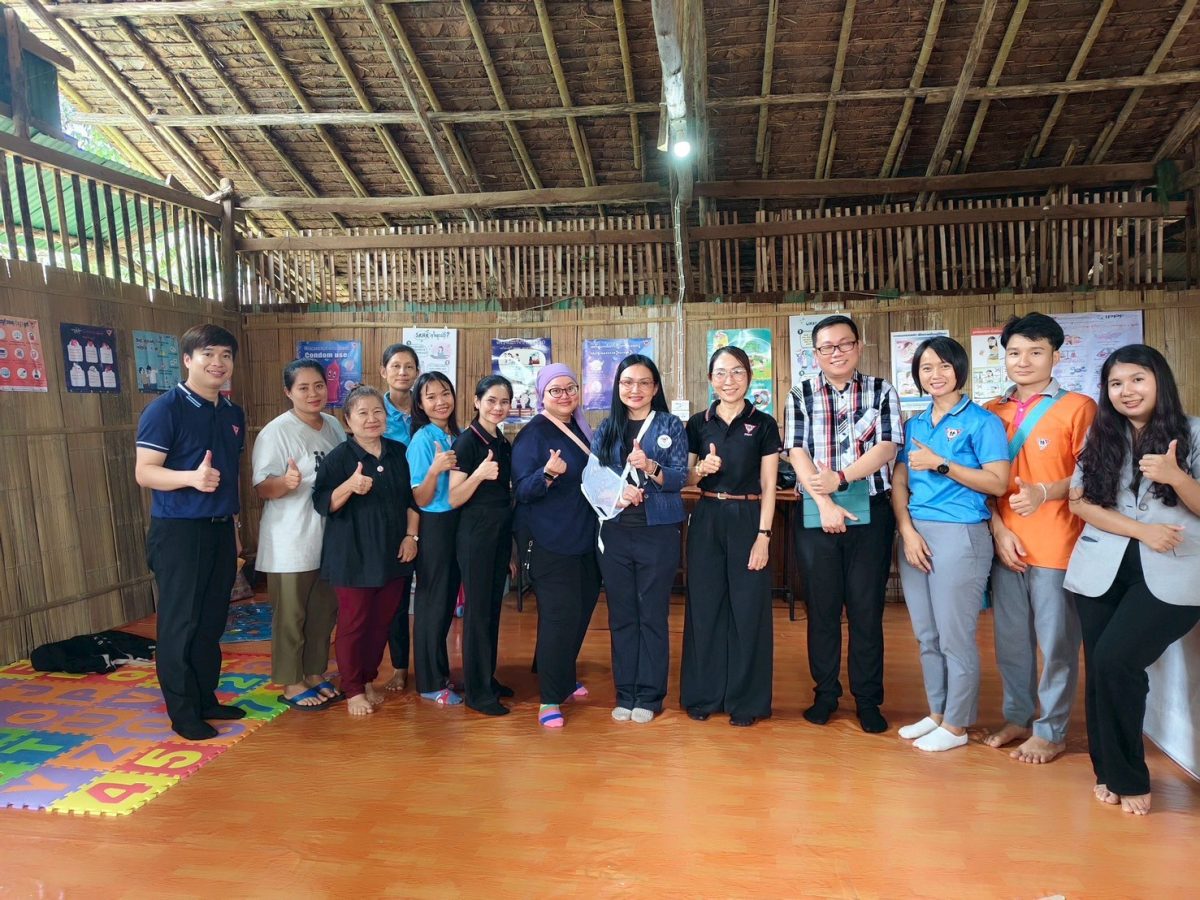
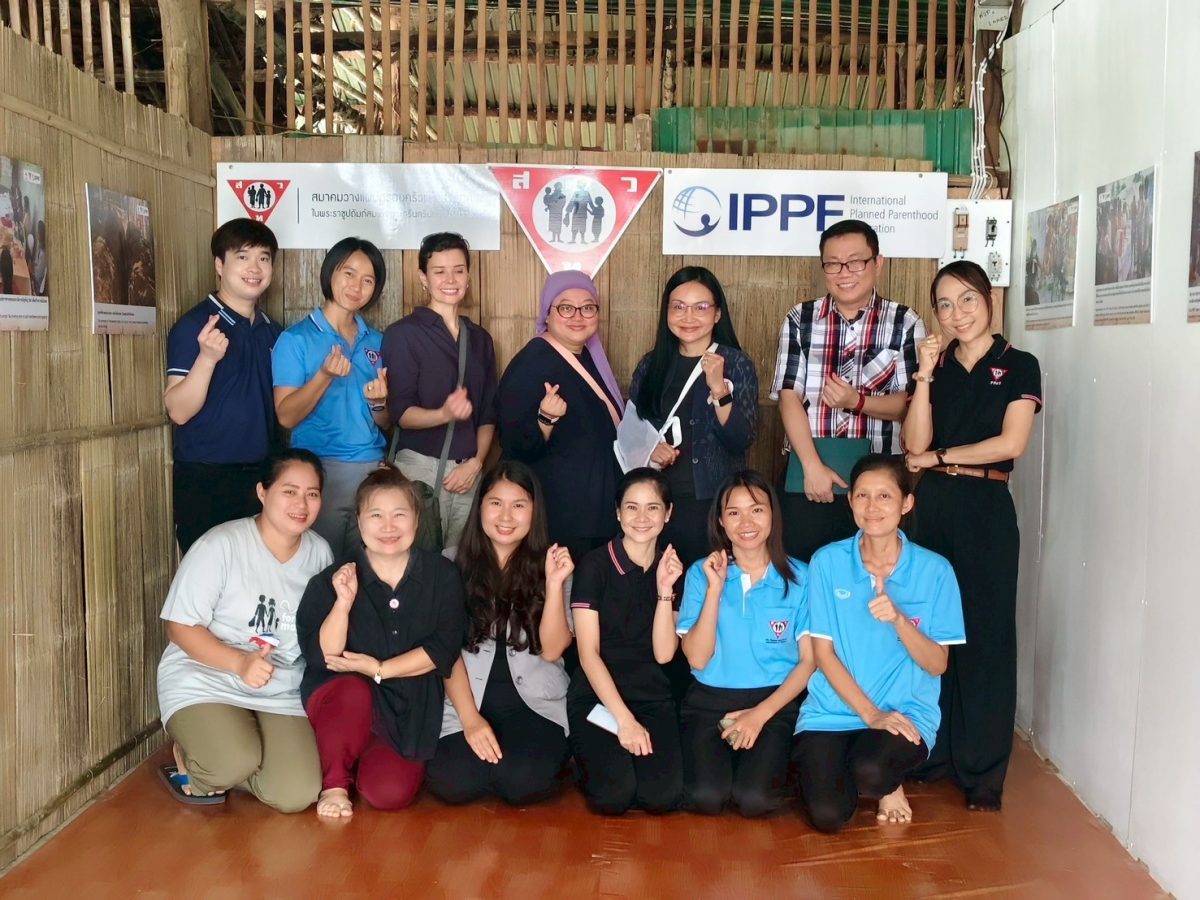
Between September 1 and 5, Dr. Nanthakan Sungsuman Woodham, Director of the Planned Parenthood Association of Thailand (PPAT), and her team visited Tak Province to monitor and integrate the work of the project “Promoting Sexual and Reproductive Health and Rights (SRHR) among Displaced Persons from Conflict along the Thai-Myanmar Border.” Joining the field visit were staff from the Project Division, the PPAT Mae Sot Office, the QOC Working Group, the Planning and Evaluation Division, along with officials from the International Planned Parenthood Federation (IPPF). The main objective was to observe and track the project’s performance in the area and to provide support and capacity building to the on-site teams operating along the border.

The visit covered areas in Phop Phra, Tha Song Yang, and Mae Sot Districts of Tak Province, where displaced persons from conflict reside. The project is supported by the Japan Trust Fund (JTF), which plays a crucial role in driving and ensuring the sustainability of the work in the Thai-Myanmar border region.
TAGS

News & Activity

Last night (July 15th), the project working team of the Planned Parenthood Association of Thailand (PPAT) deployed a mobile unit to provide free mobile health check-ups, including voluntary screening for HIV infection and other sexually transmitted infections (STIs), to service workers in entertainment establishments in Mueang District, Pathum Thani Province. This activity was conducted under the project “Promoting HIV Infection Prevention among Female Service Workers and Men who have Sex with Men,” which receives funding support from the National…
This morning (June 24th), the working team of the Planned Parenthood Association of Thailand (PPAT) project deployed a mobile unit to provide free, voluntary HIV/STI screening services. The unit also provided education on reproductive health, HIV/AIDS, sexually transmitted infections (STIs), and effective contraception methods to youth at the educational institution. The goal was to help them assess risky behaviors that could lead to STIs, learn methods of self-protection, and receive free condoms. The services were provided to students at…
Privacy Preferences

Allow All
Manage Consent Preferences
  • Always Active

Save